The SSS Program
Learn about Sustainability, Science & Society at McGill University
About the Program
Sustainability, Science & Society, commonly known as SSS, is a 54-credit Interfaculty program in the Faculty of Arts and Science. The grand challenge of the 21st century is sustainable well-being — that is, to improve human well-being while maintaining the Earth’s life-support systems. As individuals, tackling these sustainability challenges can seem daunting. The SSS program recognizes that individuals must come together to solve our grand challenges through an interdisciplinary approach.
SSS is housed under the Department of Geography and partnered with the Bieler School of Environment. Courses from these departments, along with other arts, science, and even management fields, are offered within the program.
The Three Pillars
Students in the SSS program enjoy an interdisciplinary approach to learning across three thematic pillars:
Science & Technology
Provides an in-depth understanding of the scientific underpinnings of sustainability challenges and the technological innovations that may help address them.
Economics, Policy & Governance
Helps students understand institutional approaches to inform effective policy making and implementation for the sustainability transition.
Ethics, Equity & Justice
Explores why we need change and examines the issues of equity and justice associated with taking action on sustainability challenges.
Program Options
There are two versions of the SSS program:
Interfaculty Program (54 credits)
The standard B.A. & Sc. program that provides breadth across the three pillars with flexibility in coursework options. Students can complete an optional Minor (18-24 credits) to complement their degree.
Honours Program (60 credits)
Students conduct a year-long research project in their final year under the supervision of a McGill professor. Requires meeting certain GPA requirements to enter.
Core Competencies
The SSS program uniquely aims to cultivate leadership skills necessary for solving sustainability challenges:
Teamwork: Substantive efforts require cooperation within a team to tackle the complex problems we face.
Communication: Communicating complex topics and core scientific concepts in ways that are easily understood by society.
Critical Thinking: Recognizing that while analysis is useful, it has limits — avoiding “analysis paralysis.”
Leadership: Learning to shine a light instead of cursing the darkness — offering feasible alternatives to the status quo.
Career Paths
SSS graduates find work in a variety of sectors, depending on the issues to which they want to apply their sustainability knowledge:
Public Sector
Working for governmental bodies or agencies
NGOs
Local, national, and international organizations
Multinational Organizations
Development banks or the United Nations
Private Sector
Businesses & consulting with growing demand for sustainability practices
About SASSS
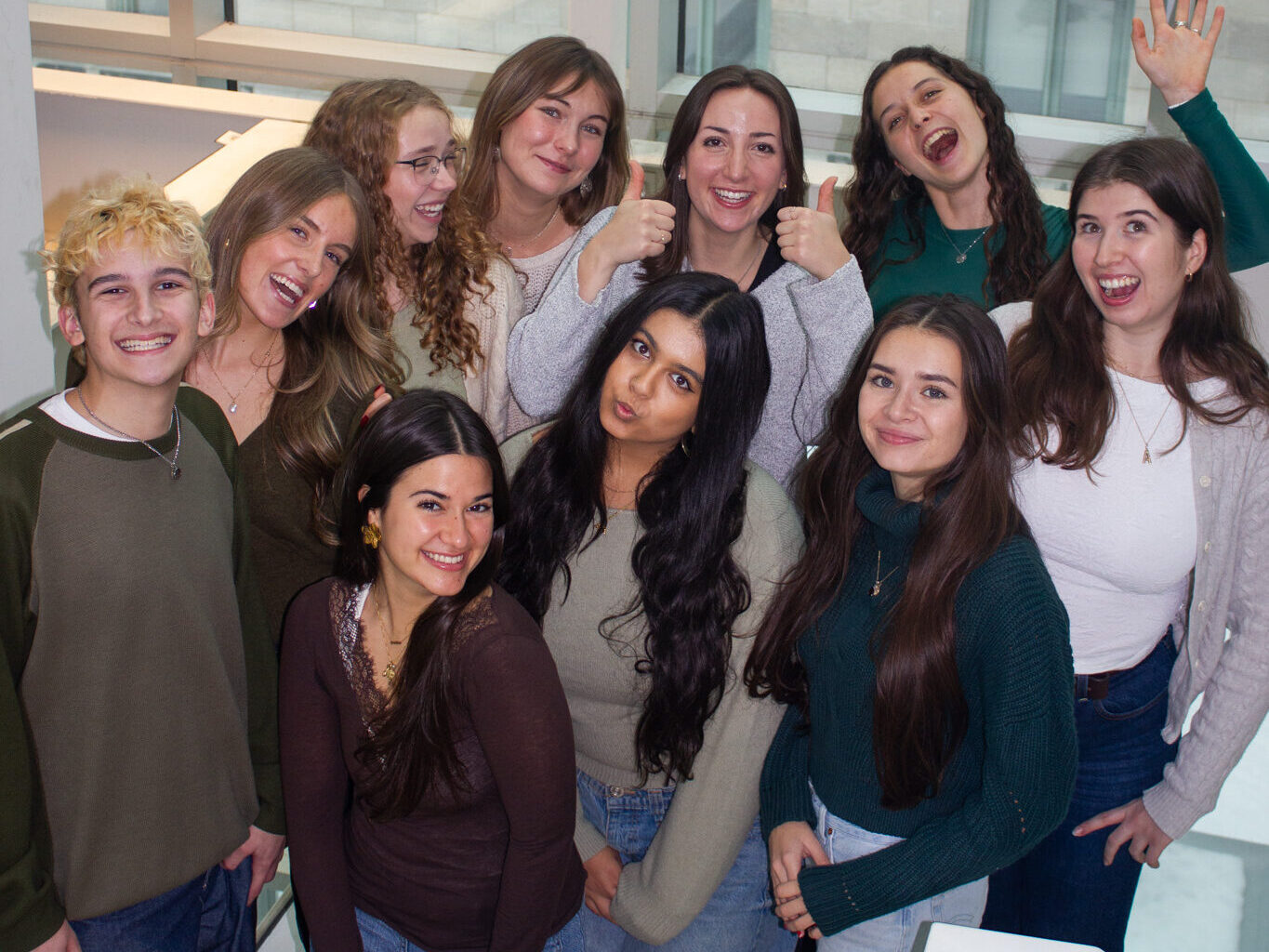
The Students’ Association of Sustainability, Science and Society (SASSS) is the association representing the students of your program. We run social, academic, and professional development events for SSS students, and offer guidance and opportunities to students in the program.
We even created this guide! 🙂
Follow us on Instagram @mcgill_sasss for our upcoming activities!
How We Fit In
SASSS operates beneath ASUS (Arts and Science Undergraduate Society) and collaborates with other student societies. As an SSS student, you are automatically a member of several organizations:
Partner Societies
MESS — McGill Environment Students’ Society
MUGS — McGill Undergraduate Geography Society
As SSS is offered by the Geography Department in collaboration with the Bieler School of Environment, you are also a member of MUGS!
Academic Home
SSS is an Interfaculty program within the Faculty of Arts and Science.

Ready to Learn More?
Explore our resources to help you succeed in the SSS program.